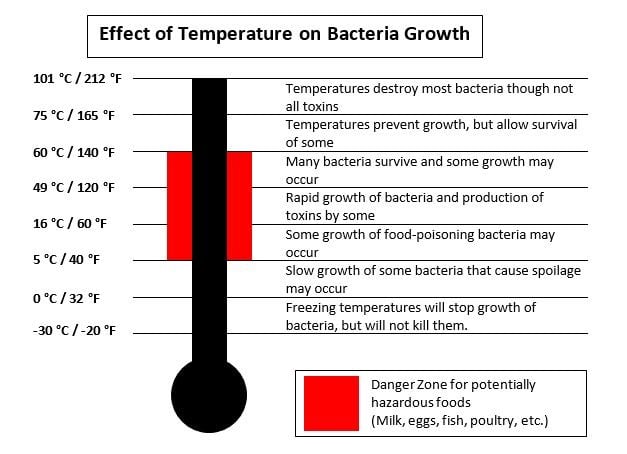
Not all foods are created equal when it comes to heat and bacteria. Meat is the classic example: ground beef needs to hit 160°F inside to kill E. coli, while whole chicken must reach 165°F for salmonella.
 Haccp Food
Vegetables? They’re generally safer, but washing them bugs you can still kill with a quick blanch in boiling water. It’s like giving your veggies a hot bath.
Seafood is a special case. Most fish should be cooked to 145°F, but raw fish (like sushi) is safe only if it’s been frozen first to kill parasites. Heat isn’t always the only hero.
Does Reheating Count?
You might be thinking: “So I can just nuke my leftovers and it’s fine, right?” Well, yes and no. Reheating kills new bacteria that grew while the food was cooling down, but it won’t fix old damage.
Ever taken a bite of reheated pizza and thought, “Hmm, this tastes a little off”? That’s the bacteria’s ghost—heat-resistant toxins that survive even high temperatures. Gross, but fascinating.
The trick? Reheat food to 165°F and eat it within a couple of days. Think of it like a second chance, not a magic reset button.