
Here’s the honest truth: the lights don’t have a set appointment. They’re like a surprise guest that shows up when the Sun throws a party. Specifically, when our Sun burps out a solar wind—a stream of charged particles—that crashes into Earth’s magnetic field.
That collision creates the glowing dance we call the aurora. So, you can’t just book a flight and guarantee they’ll appear. But you can stack the odds in your favor.
Winter vs. Summer: The Darkness Factor
You need a dark sky, plain and simple. That’s why winter is your best friend. In places like Alaska, Canada, or Scandinavia, winter offers long, black nights that stretch for hours. Summer, on the other hand, has that annoying “midnight sun” thing—no darkness, no lights.
So, target the months from September to March (or October to April in the Southern Hemisphere). Think of it like this: if you wouldn’t go see fireworks at noon, don’t try to see the aurora in June.
The “Kp Index” – Your Secret Weapon
Ever seen weather nerds mutter about the “Kp index”? It’s a scale from 0 to 9 that measures geomagnetic activity. A Kp of 5 or higher means the show could be spectacular. You can check this on apps or websites—it’s like checking if the concert is sold out.
A Kp of 2 might just be a faint green smudge. A Kp of 8? That’s when the lights start dancing overhead like a disco in the sky.
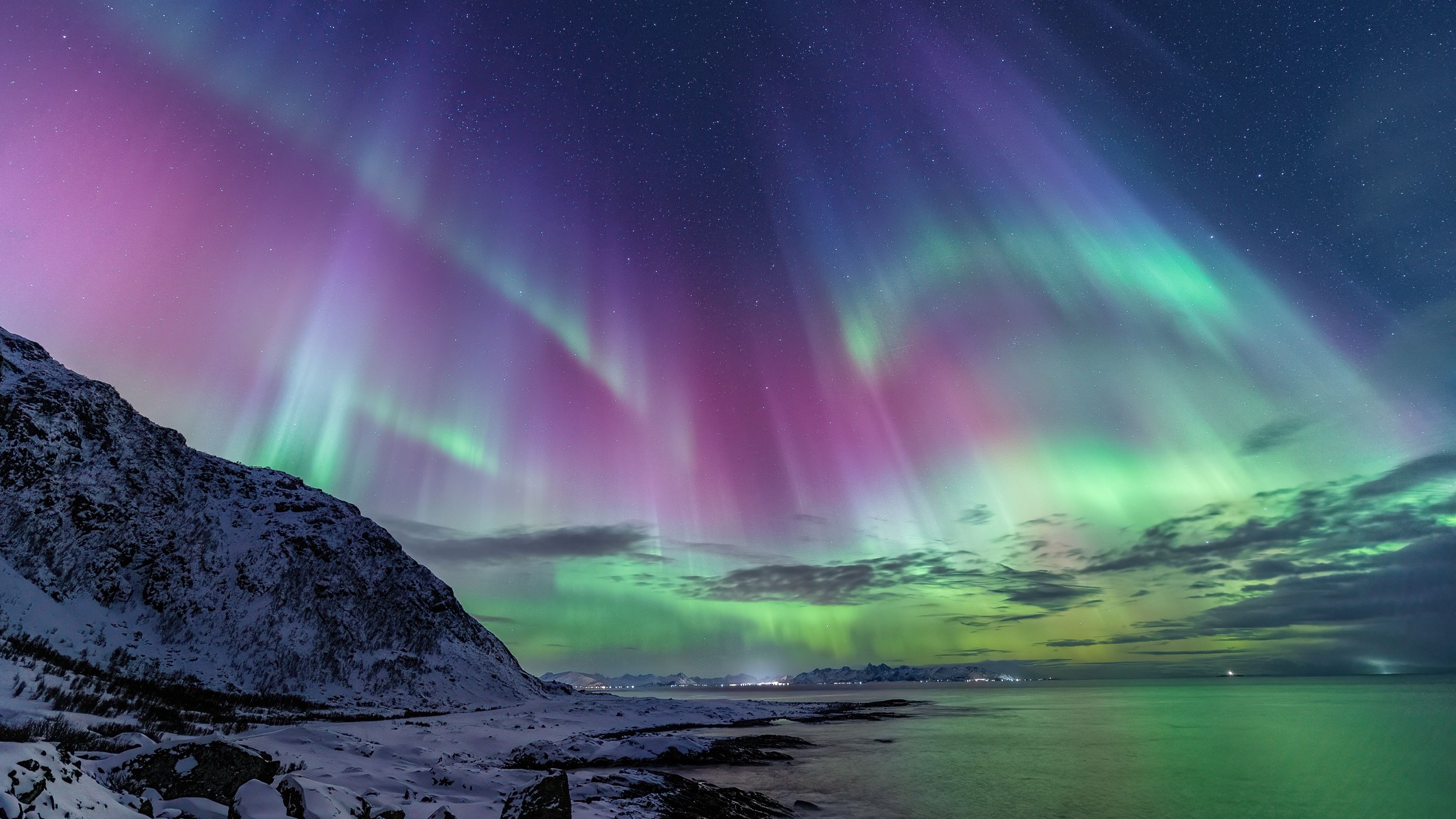 Exploring the Northern Lights: Understanding the Aurora Borealis and

