
We’ve been doing this since 1916, when the idea was to save fuel during World War I. The logic was simple: more daylight in the evening equals less need for coal and candles. Fast forward over a century, and we’re still pushing our clocks around like confused toddlers. The official name for this is British Summer Time (BST), and it lasts from March until the last Sunday in October.
But here’s the thing—why do we still do it? I mean, we’ve got LED lightbulbs and Netflix now. Some studies argue it saves a tiny bit of energy, but mostly it just annoys farmers and parents of small children. (Side note: if you’ve ever tried to convince a toddler that 6 AM is actually 7 AM, you know the true cost of springing forward.)
The Great British Clock Confusion
You’d think a country that invented Greenwich Mean Time would have this down to a science. But every March, my social feed fills with panicked questions: “Wait, is it tonight or next week?” “Do my smart devices update automatically?” “What about my microwave?” (Spoiler alert: your microwave does not care about BST. It will glare at you with its flashing 12:00 until you give in.)
The official switch happens at 1:00 AM on the last Sunday of March, but let’s be real—most of us are asleep or binge-watching something on the sofa. Your phone, laptop, and smartwatch will do the work for you. But your old alarm clock? That’s a manual job. Don’t blame me if you show up to work an hour early on Monday. (Actually, do—it’s a great way to look dedicated without trying.)
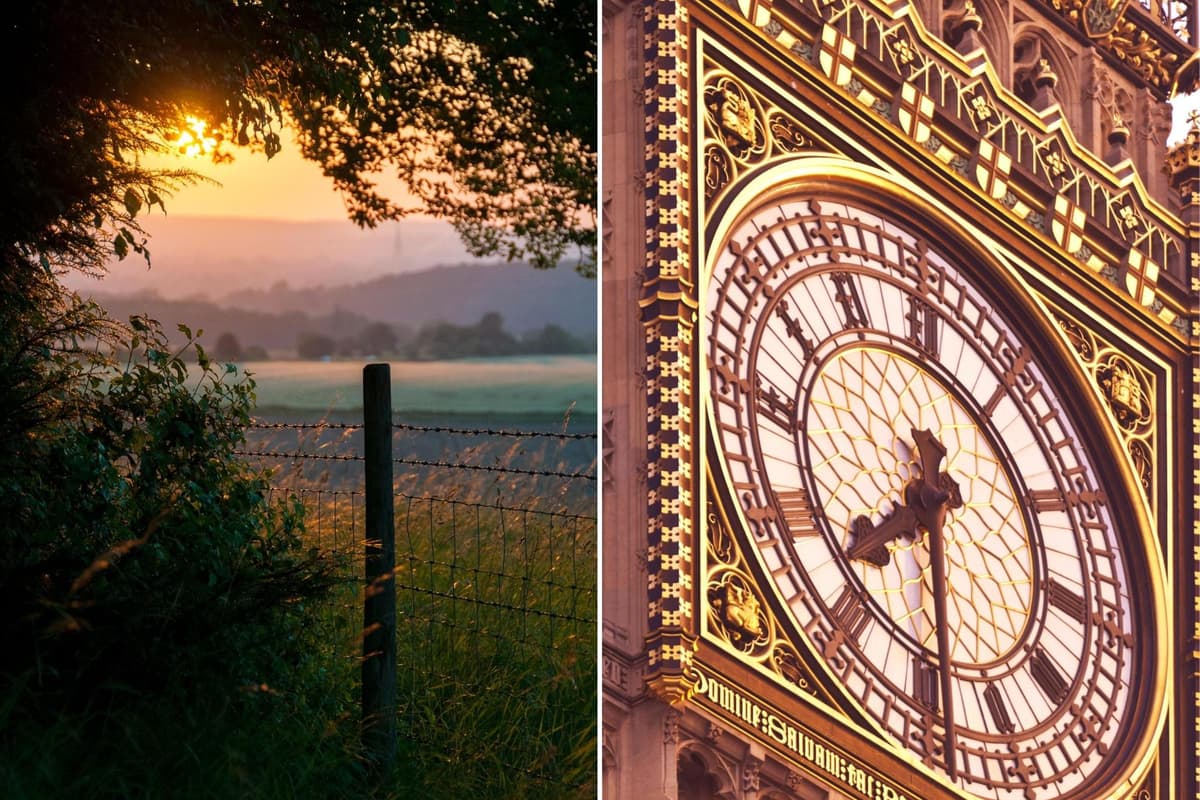 When do clocks go forward in 2026? Date and time clocks go forward in

