
Let’s say you’ve already eaten the mold. Step one: don’t panic. Step two: don’t try to make yourself throw up. That’s usually unnecessary and just adds insult to injury. Step three: drink some water and wait. Most of the time, your body will handle it like a champ, and you’ll just have a funny story about the time you ate a science experiment.
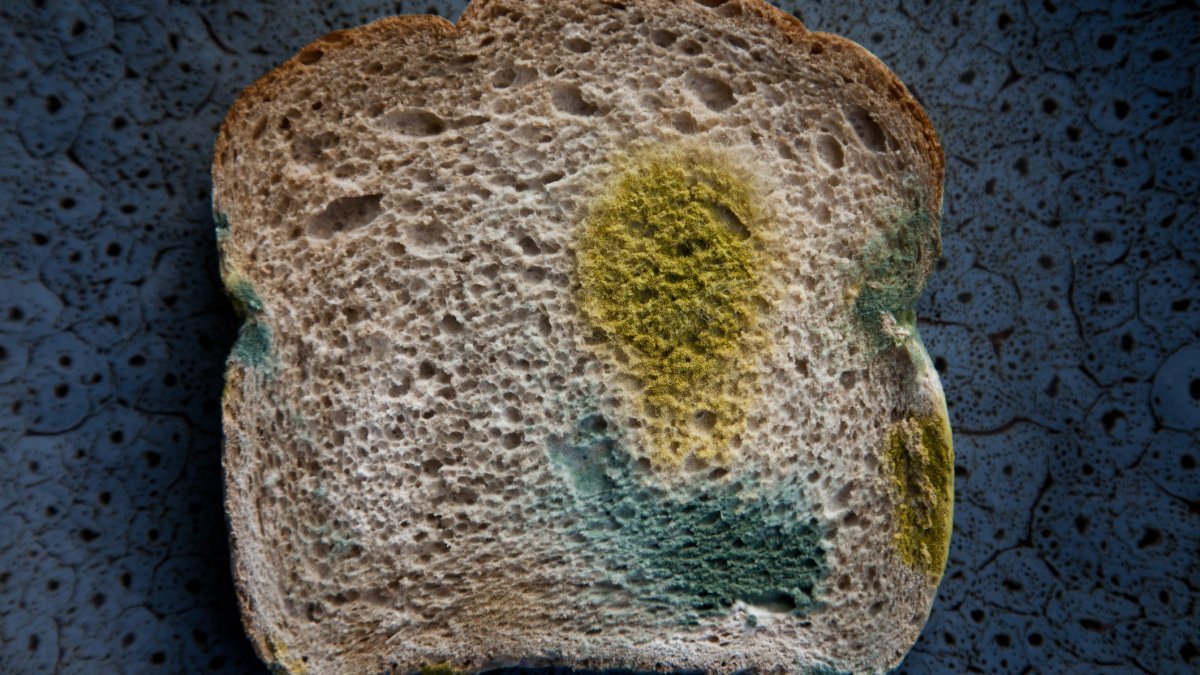 What happens if you eat mold? Food safety experts share which types to
If you start feeling short of breath, get a high fever, or have bloody diarrhea, yeah, call a doctor. But if you just have a little gurgle in your tummy? That’s just your digestive system giving you a very passive-aggressive lecture. Drink some ginger ale and forgive yourself.
The Golden Rule: When in Doubt, Throw It Out
Here’s the truth: mold has roots. That little dot on the surface of your peach? Its invisible tendrils can spread deep into the soft fruit. Same with soft cheeses, jams, and bread. If you see fuzz, the whole thing is usually toast (pun absolutely intended).
There are exceptions, like hard cheese (parmesan, cheddar) and hard vegetables (carrots, cabbage). You can cut off an inch around and below the mold spot and be fine. The mold can’t tunnel through that dense rock of cheesiness. But on soft stuff? Just say goodbye. It’s not worth it.
So, what will happen if you eat mold? Most likely: nothing severe, just a vague sense of regret. Your body will digest it, you might have slightly smelly burps for a while, and you’ll become a little more careful about checking your leftovers. You’re not a superhero, but you’re also not a victim of a horror movie. Now go throw away that bread and buy yourself a fresh croissant. You deserve it—and your stomach does too.

