The UN tried to be the cool, rational adult in the room. They sent weapons inspectors into Iraq, who found nothing of substance. The U.S. and UK said, “They’re not looking hard enough!” The inspectors said, “We’ve looked everywhere, he’s clean.” It was like arguing over whether the dog ate your homework when the dog is a lying politician.
Eventually, the U.S. and a “coalition of the willing” (which included the UK, Poland, and a few others who brought snacks) just ignored the UN and invaded anyway. This broke a lot of global trust, kind of like when your friend says they’ll split the bill, then orders the lobster and runs.
The invasion was launched on March 20, 2003. Baghdad fell in three weeks. But the war didn’t end—it changed shape. It became a messy, tragic occupation that lasted eight years and cost thousands of lives. Oops.
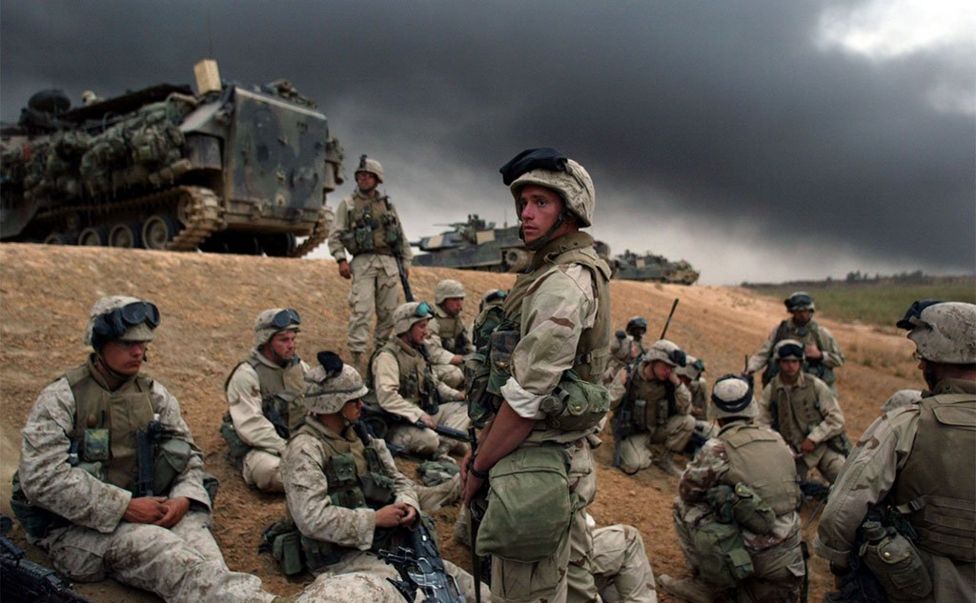 Iraq war 20 years on: How invasion plunged country into decades of
The Aftermath: What About Those WMDs?
After the invasion, the U.S. Army searched every sand dune, palace, and goat shed in Iraq. They found zero active WMDs. The final report? It was like a bad magic trick: “The rabbit was never in the hat.” The administration had to do some serious mental gymnastics, eventually blaming faulty intelligence and “groupthink.”
To be fair, Saddam had them in the 1980s and 1990s, and he acted like he still had them to scare Iran. It was an elaborate bluff that backfired spectacularly. So the war was based on a lie, a misunderstanding, and a whole lot of wishful thinking. Whoops.