
Pour yourself a glass of boiled tap water and a glass of distilled water. Go on, I’ll wait. The boiled water probably tastes… like tap water, but maybe a little flatter if you boiled it too long. The distilled water? It tastes like nothing. Seriously, it’s as if the water forgot what flavor was. That’s because our tongues are used to picking up on trace minerals, and without them, water feels oddly empty.
I once brought distilled water to a picnic, thinking I was being fancy. My friend took a sip and asked, “Is this water broken?” We had a good laugh, but it proves a point: distilled water is for appliances, not for sipping pleasure. Boiled water is for your morning coffee, your instant ramen, and your thirst.
When You Should (and Shouldn’t) Use Each
Picture this: you’re at home, and your iron is spitting white dust all over your favorite shirt. That’s mineral buildup from tap water, and boiling won’t help one bit. Distilled water is your iron’s best friend—no stains, no clogs. Same goes for your humidifier, car battery, and that fancy espresso machine you got for Christmas. They crave the pure stuff because minerals can gum up the works.
Now think about drinking water for your body. Boiled tap water is perfectly fine for hydration, and it even gives you a little dose of essential minerals like calcium and magnesium. Distilled water can actually be too pure—some experts say drinking it exclusively might leach minerals from your body. Not a crisis, but it’s like eating plain rice every day: nutritious but missing something. Stick to boiled or filtered water for your daily glass.
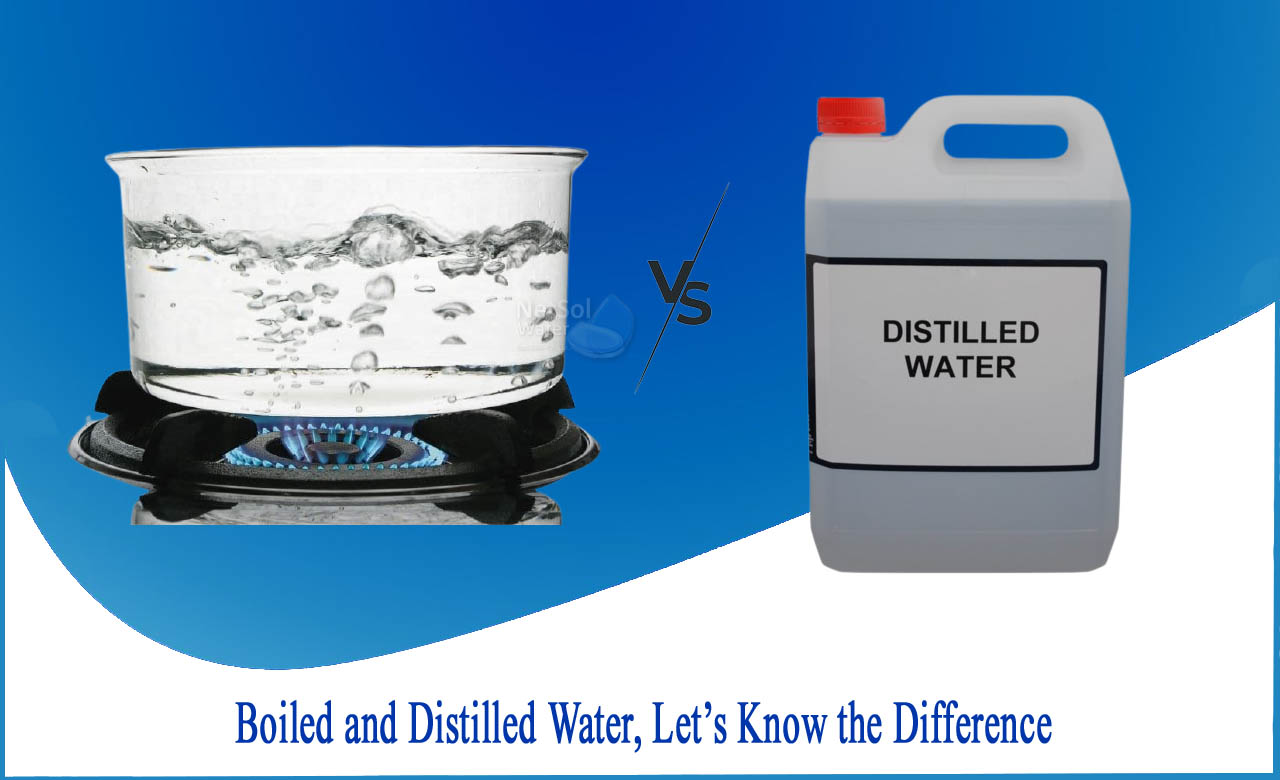 How to Differentiate Between Boiled and Distilled Water - Netsol Water

