
Let me paint you a picture. You leave that cut honeydew on the counter during a lazy Sunday. The “danger zone” for bacterial growth is between 40°F and 140°F. Your cut melon is basically a sweet, wet sponge sitting right in that zone. Bacteria can double every 20 minutes. Every. Twenty. Minutes.
After two hours, that single colony of bacteria that hitched a ride from your grocery store bag can become thousands. You might not see it, smell it, or taste it, but your stomach will definitely feel it later. It’s not a gamble worth taking for a “refreshing” snack.
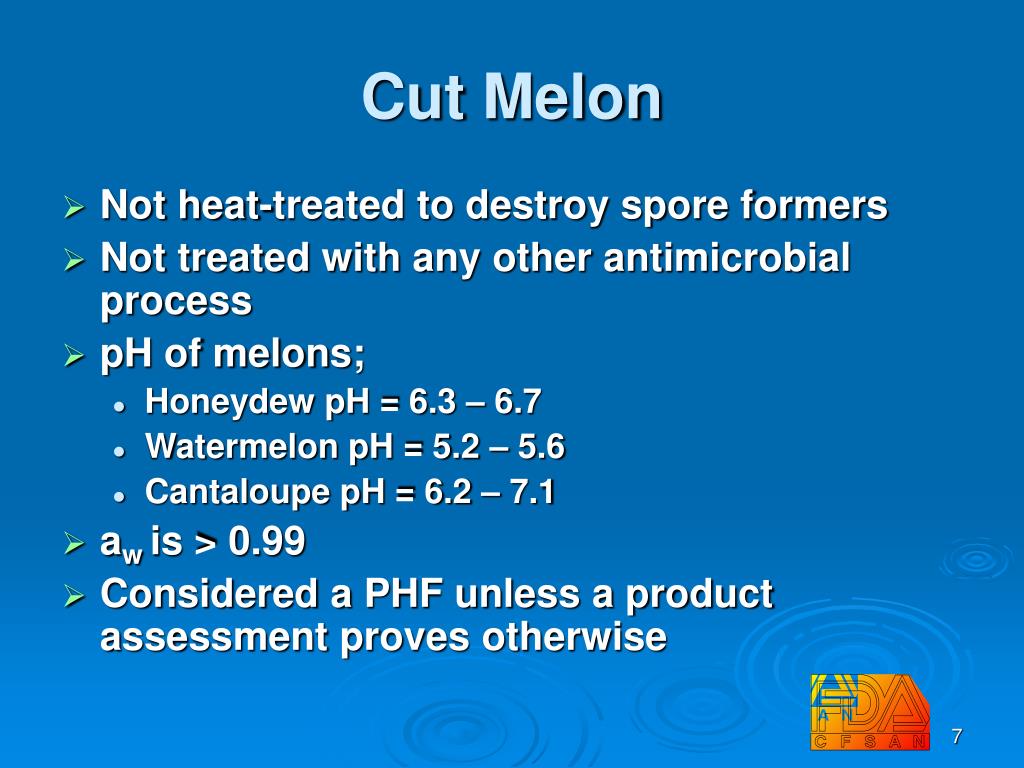 PPT - Potentially Hazardous Food: The Evolving Definition of
A Note on Rind-Washing and “It’s Organic” Noises
People love to say, “But I washed the rind before cutting!” That’s smart, yes. Wash that rind with a scrub brush. But washing the rind doesn’t change the fact that the internal flesh is now exposed to air and bacteria in the environment.
And that “organic” sticker? Doesn’t matter. Pathogens don’t care if your melon was free-range and sang lullabies. They just care about that sweet, moist surface you’ve created by slicing it open. The dirt on organic rinds isn’t magical antibacterial soil.

