
Once accepted, you enter a training programme that lasts around ten to twelve weeks. You’ll learn the “Rule Book”—a dense, beautiful manual that covers every single signal, rule, and emergency procedure. Memorising the Rule Book is your new religion. Drivers often say it’s the hardest part, but also the most reassuring; you’ll know exactly what to do if a customer’s bag gets trapped in the doors.
You’ll also spend hours on a simulator, a full mock-up cab that looks and feels exactly like a real train. It’s essentially a very immersive video game, and yes, it’s as cool as it sounds. One instructor told me that the most common mistake beginners make is forgetting to open the doors at the station. You laugh now, but on a quiet Sunday morning, it can happen to the best of them.
After the sim, you get “shadowing” time with a qualified driver, and then you drive under supervision. The first time you move a real train full of passengers? Pure adrenaline. You’ll feel the weight of the carriage behind you, and the silence of your own focus. It’s a quiet kind of power.
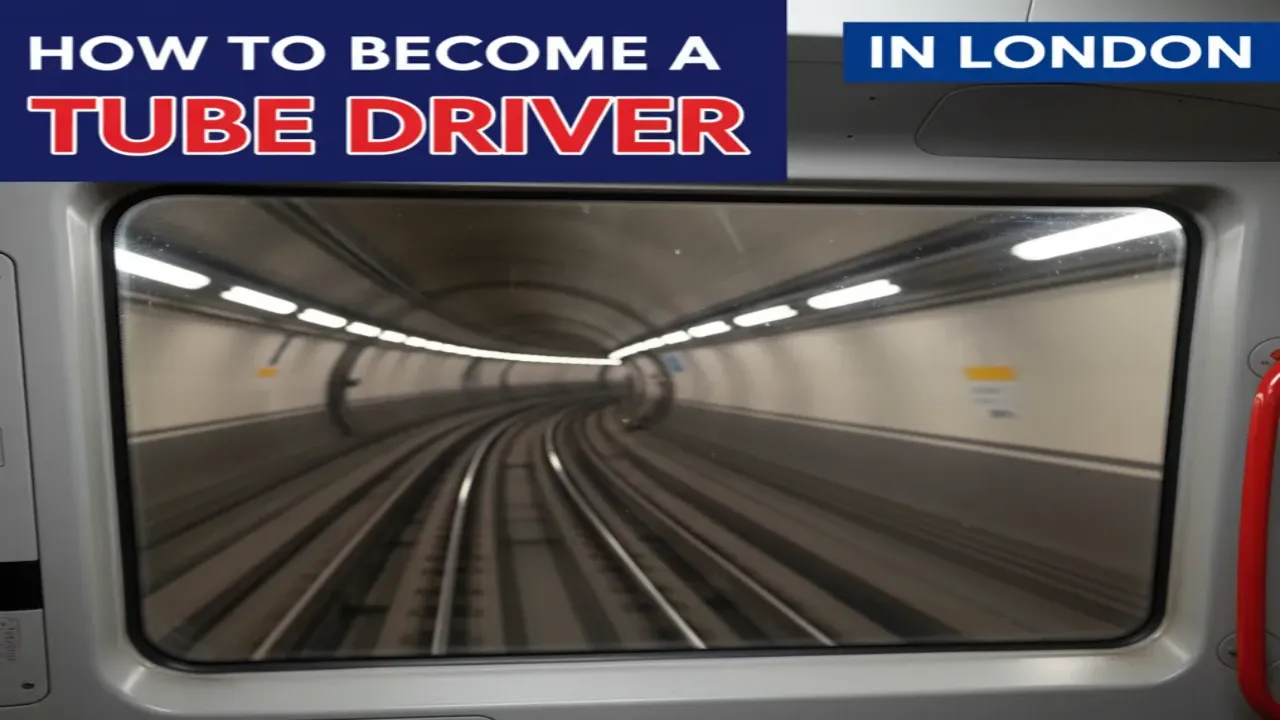 How to Become a Tube Driver in London (Step-by-Step Guide 2026)

