
Now, grated onion is the kitchen ninja. You take that same humble bulb, scrape it across a box grater (or a Microplane if you’re feeling fancy), and poof—you’re left with a watery, pungent paste. It doesn’t look pretty, but it packs a wallop of flavor. This is the secret weapon of chefs and sneaky home cooks.
Grated onion melts into everything. Toss it into meatballs, burger patties, or marinades, and it disappears like a magician’s assistant. The flavor stays, but the texture? Gone. Great for picky eaters who swear they hate onions. (We love them anyway.)
But here’s the kicker: grated onion releases more juice, which means more intense oniony punch. It’s perfect for dressings, dips, and sauces where you want that zing without chunky bits. Just be prepared for your cutting board to smell like a war zone for the next three days.
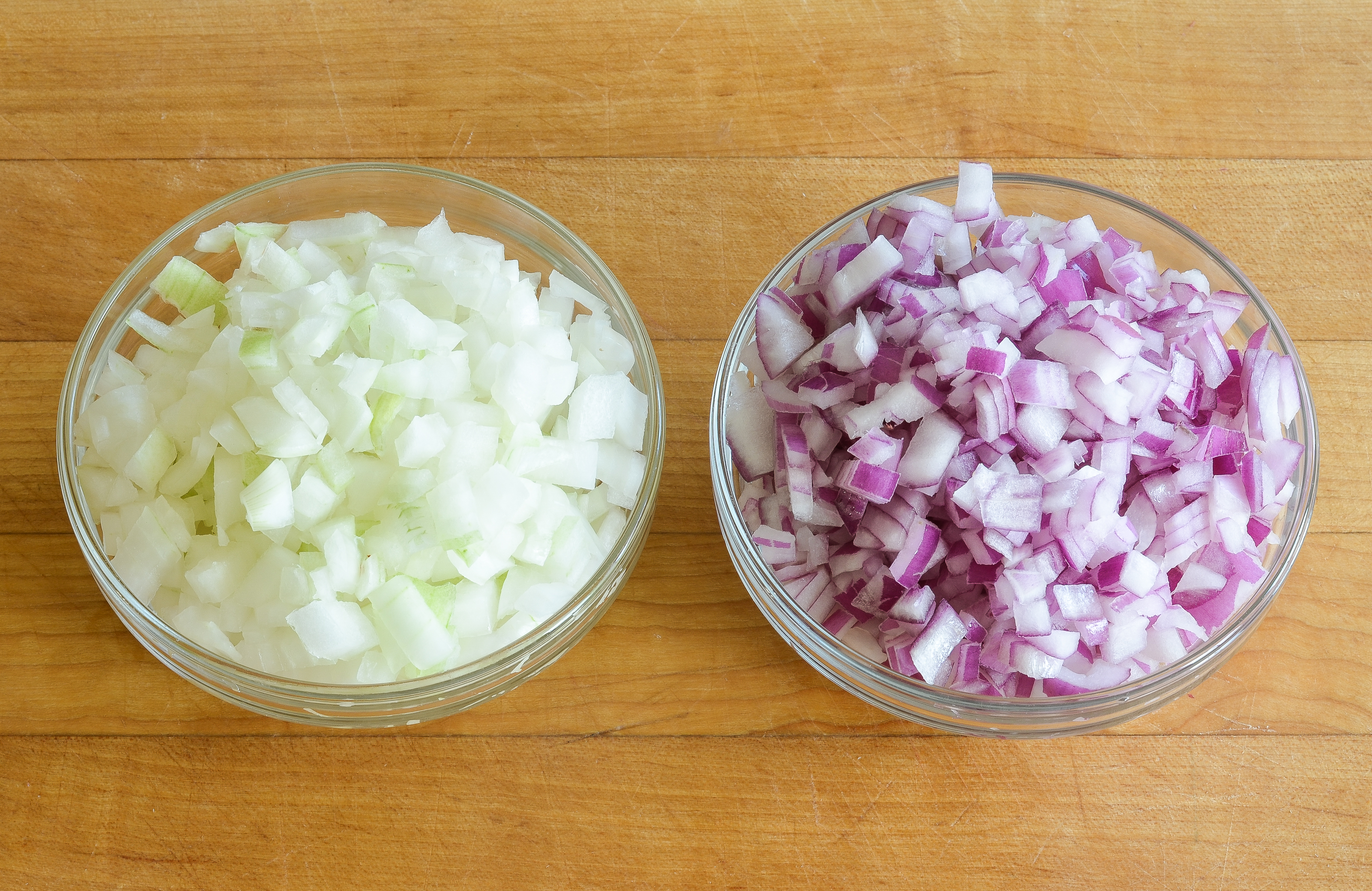 Finely Diced Onion
Texture vs. Invisibility: Which Wins?
Think of it this way: chopped onion is the loud friend at a party—you know they’re there, and they’re making an impression. Grated onion is the quiet genius who whispers the best advice in your ear and then fades into the crowd. Both are awesome, but for different moods.
If you’re making a chunky salsa or a rustic pasta sauce, go chopped. If you’re whipping up a silky gravy or a batch of juicy meatloaf, grated is your MVP. And if you’re indecisive? Use both. Be the rebel. No one’s stopping you.
One more thing: grated onion burns faster in a pan because it’s finer. So keep an eye on it, unless you’re into that smoky, bitter “I meant to do that” flavor. Chopped onions are more forgiving. They’re like that golden retriever friend who sticks by you even when you burn the toast.

