Zero Water isn’t your average Brita. It uses a five-stage filtration system that’s basically a tiny water treatment plant for your fridge. The secret weapon? Ion-exchange technology. Imagine a bouncer at a club who swaps out bad ions (like nitrates) for good ones (like harmless potassium). That’s how it works.
The filter grabs nitrates by their metaphorical collars and replaces them with something much safer. It’s the same trick you’d find in high-end whole-house systems—except it fits in a pitcher. Pretty neat, right?
Does the science actually back it up? Let’s check the data.
Here’s where it gets spicy. Zero Water’s independent certification—yes, that little NSF/ANSI 53 seal—says it reduces nitrates by over 90%. That’s like a pro chef removing every last garlic clove from a soup. But there’s a catch: only certain Zero Water filters are certified for this.
You have to look for the ones labeled “for nitrate reduction” or check the fine print. Not all Zero Water pitchers come with that exact filter out of the box. So, if you bought a standard pack at Target, check the back—because sometimes the bouncer isn’t hired yet.
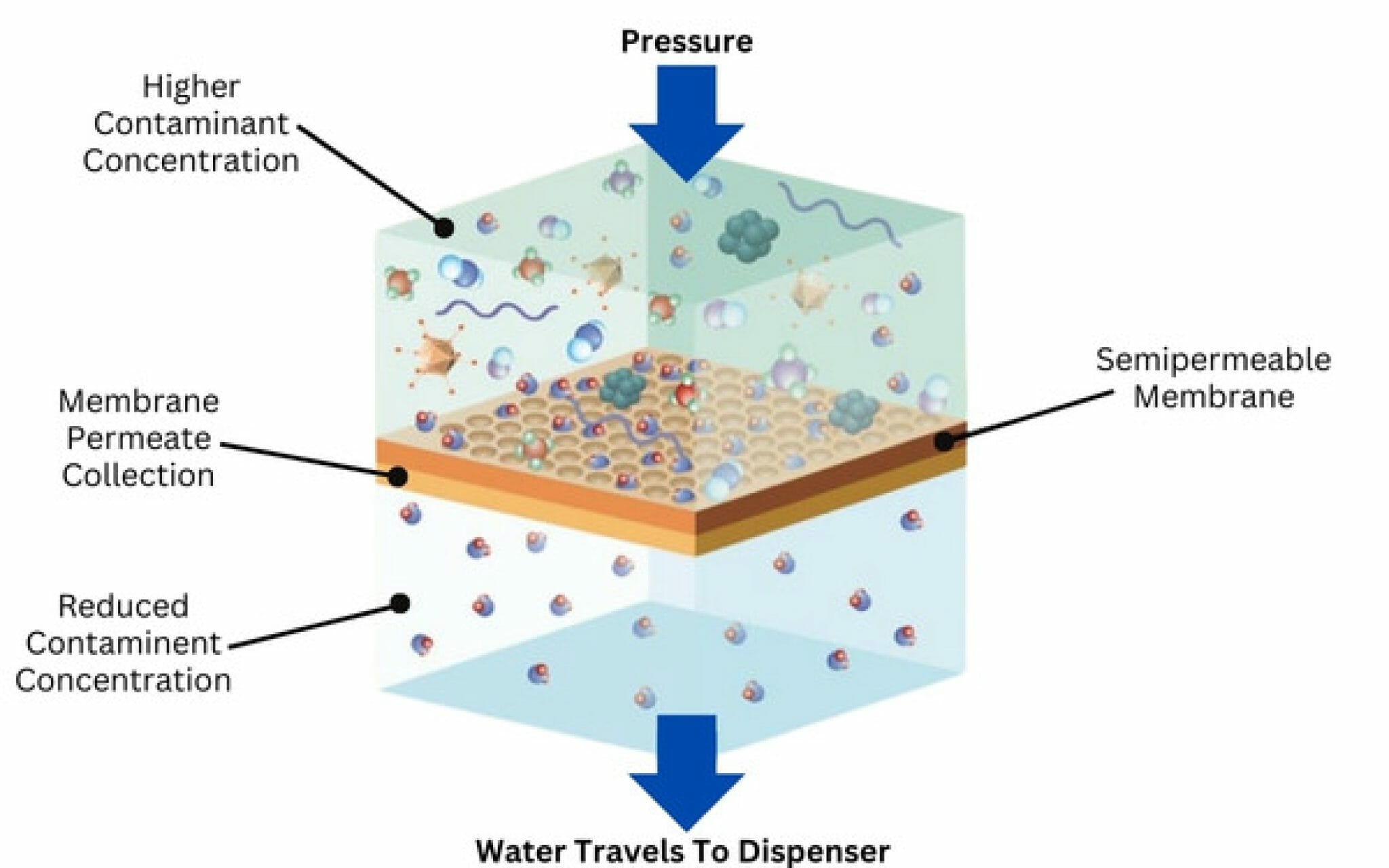 Does Reverse Osmosis Remove Nitrates From Water?