Here’s the cool part: a properly installed and maintained water softener doesn't reduce your water pressure. In fact, it can help improve it over time. Think of it like a good pair of glasses—at first you might feel a little weird, but they actually help you see better.
Water pressure is about force—how hard the water pushes through your pipes. A softener isn’t a pump or a valve that squeezes; it’s just a tank filled with resin beads that swap minerals. The real pressure thief is usually something else, like old galvanized pipes or a clogged aerator.
But wait—before you relax, let’s dig into the one key factor that can make a difference: flow rate. Pressure and flow are cousins, not twins.
What’s the difference between pressure and flow?
Imagine a garden hose. If you put your thumb over the end, the pressure stays high, but the flow drops to a trickle. That’s not what a softener does—but a poorly sized one can act like a kink in the hose.
Water softeners have a “service flow rate”—how much water they can treat per minute without struggling. If your softener is too small for your household, it feels like trying to sip a milkshake through a coffee stirrer. The pressure might stay okay, but the flow slows down when multiple faucets are on.
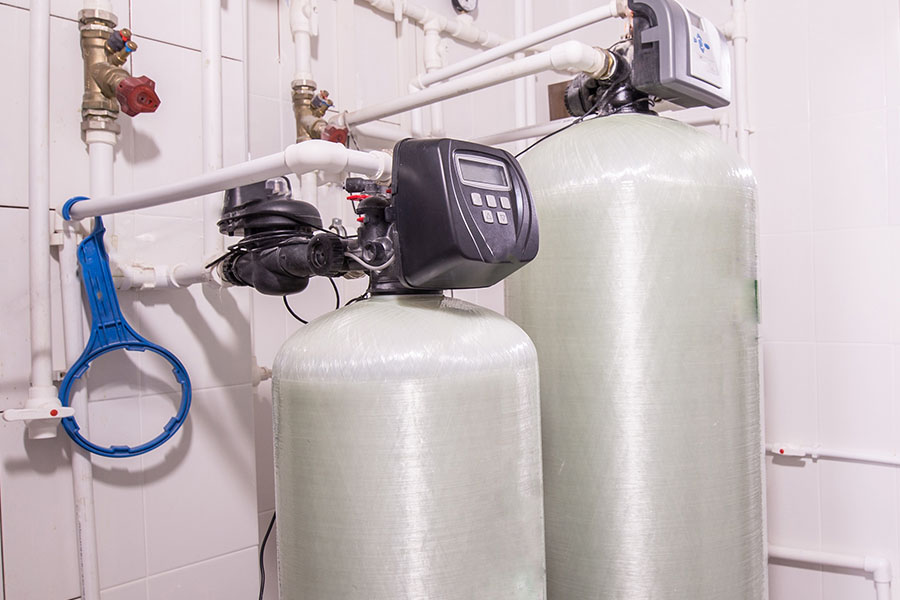 Can a Water Softener Affect Water Pressure - Homeowner Tips
On the flip side, a softener that’s too big? That’s rare, but it can cause “channeling”—water sneaking through without proper contact with the resin. That won’t kill your pressure, but it kills the softening, which is a whole different bummer.