
You want a straight answer? Maybe, but it’s a risky bet. If you spray Lysol on a non-porous surface like a plastic hamper or a bathroom tile, it might help kill the fungus because you can leave it wet for the required ten minutes. But on fabric—your fluffy bathrobe or your car’s upholstery—the liquid gets absorbed before it can do its job. It’s like trying to drown a fish in a bucket of sand; the conditions just aren’t right.
Most experts say don’t rely on Lysol for fabric ringworm. Instead, you need the heavy artillery: heat and proper laundry. The ringworm fungus is a coward when it comes to high temperatures. Wash your fabrics in hot water (above 140°F if your machine can handle it) and then blast them in the dryer on high heat for at least 20 minutes. That’s like putting the fungus in a sauna and locking the door.
The Alternative That Will Save Your Couch
If the item can’t be washed—like a delicate silk pillow or a vintage chair—you’ve got options. A mixture of white vinegar and water (1:1 ratio) can be sprayed on and left to dry in direct sunlight. The sun is a giant, nuclear-powered UV sterilizer. Fungi absolutely hate that. It’s like giving your furniture a trip to the beach, minus the sand in your socks.
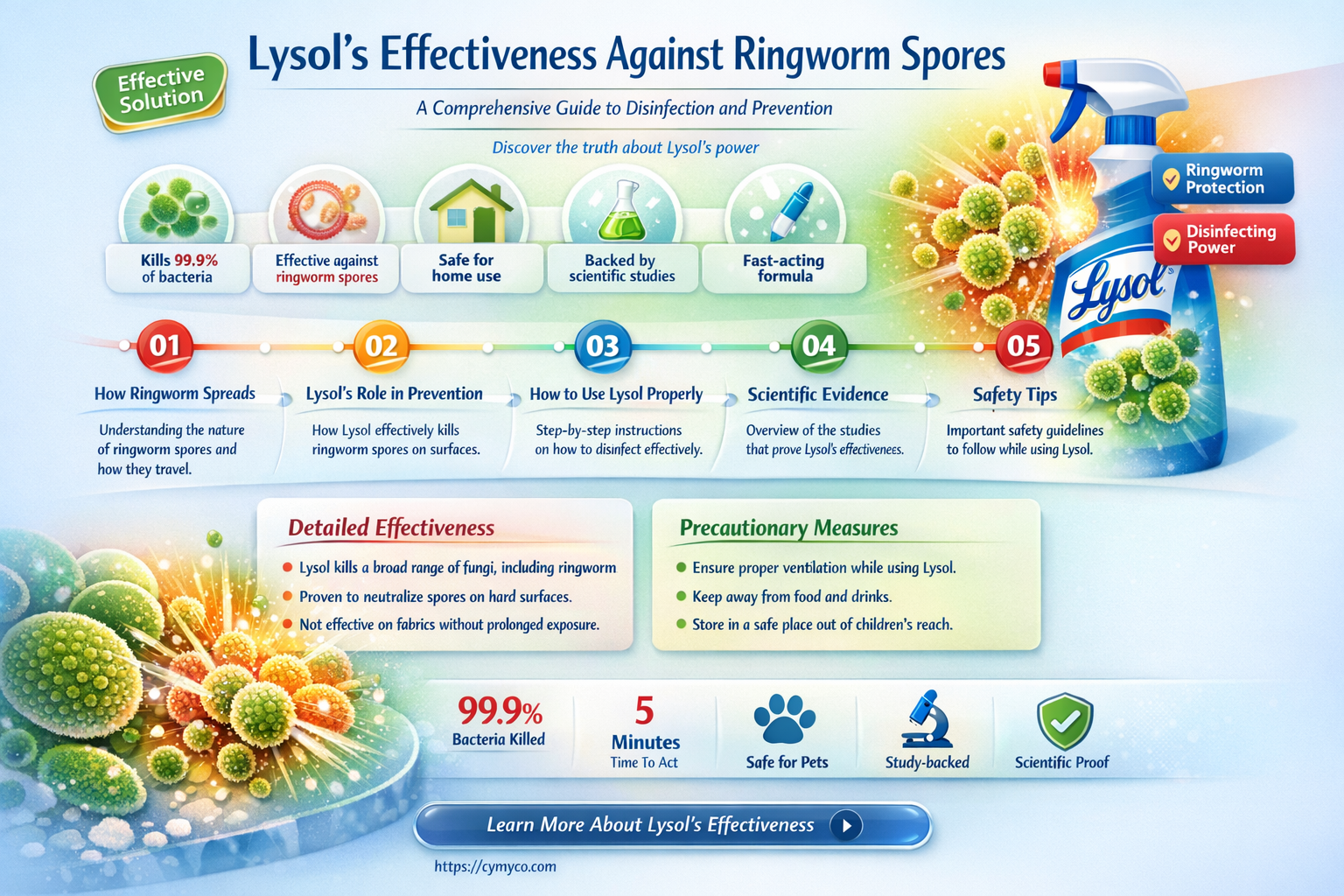 Lysol's Effectiveness Against Ringworm Spores: A Comprehensive Guide
Or, look for a laundry sanitizer specifically designed for fungus. Products with benzalkonium chloride or those labeled for “athlete’s foot” are usually more effective. Lysol is great for wiping down door handles after a flu season, but for ringworm on fabric? It’s the friend who says they’ll help you move but shows up late with an empty coffee cup.

