Here’s the part that feels like a magic trick: cooking changes how your mouth perceives heat. A raw jalapeño has a sharp, immediate sting. Cook it, and the heat often turns into a slower, deeper warmth that builds. Your brain interprets that differently—less “eek!” and more “mmm.”
The flavor also shifts. Raw jalapeños are grassy and sharp. Roasted ones become smoky, sweet, and almost chocolaty. That sweetness can completely distract you from the spice. You think, “Hey, this is milder!” when really, your mouth is just busy tasting caramelized pepper goodness. It’s a delicious trick.
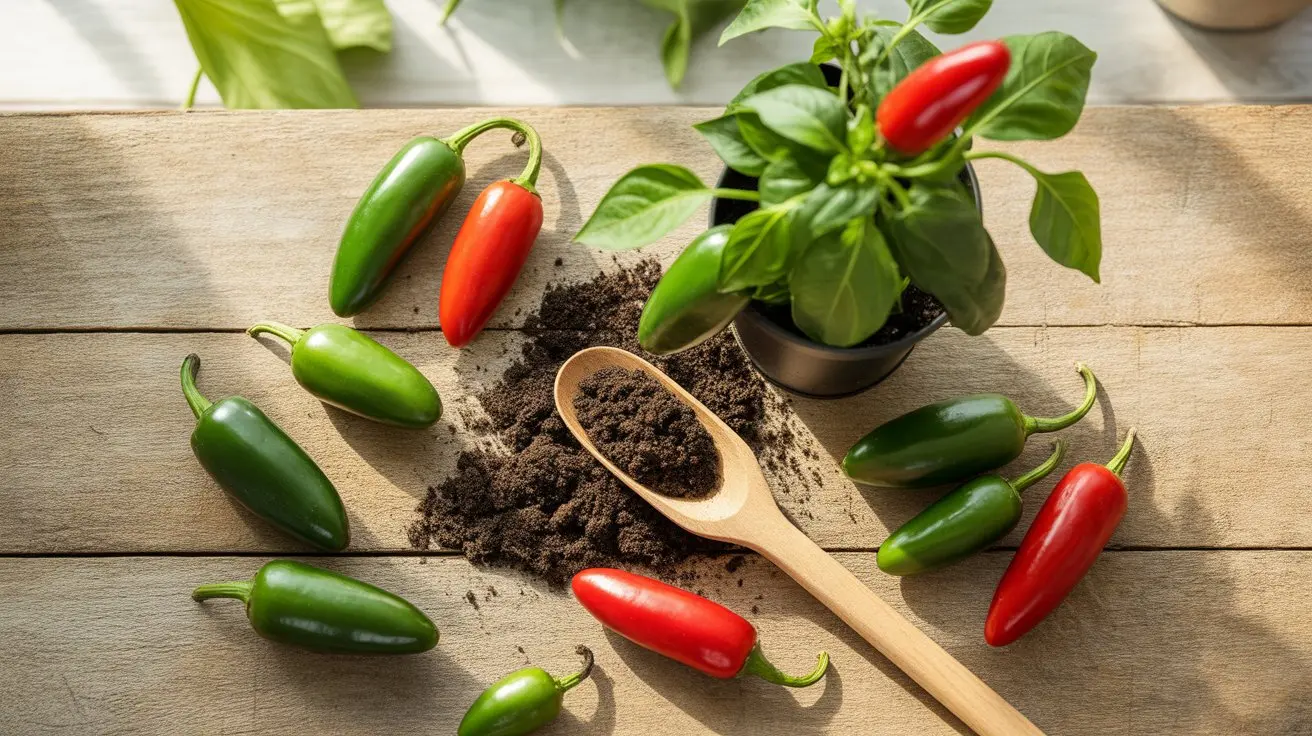 Does Cooking Peppers Make Them Hotter? Heat and Flavor
And let’s be real: most people cook jalapeños in a dish with other ingredients. Think salsa, chili, or stir-fries. The capsaicin gets diluted among tons of tomatoes, onions, beans, or rice. So the dish feels less hot, even if the pepper itself hasn’t changed much. It’s a numbers game, not a miracle.
Should You Still Cook Jalapeños to Tame the Heat?
Absolutely, yes—if you know what you’re doing. If you want less heat, don’t blast the pepper alone. Instead, cook it in a big pot of liquid (like a soup or a sauce) where the capsaicin can spread out. And for heaven’s sake, remove the seeds and membranes first. That’s where most of the heat lives.
If you want more heat (hello, spicy food lovers), char or dry-roast the jalapeños whole. That concentrates the capsaicin and amplifies the burn, while adding that gorgeous smoky flavor. You’ll thank me later—maybe with a glass of milk.