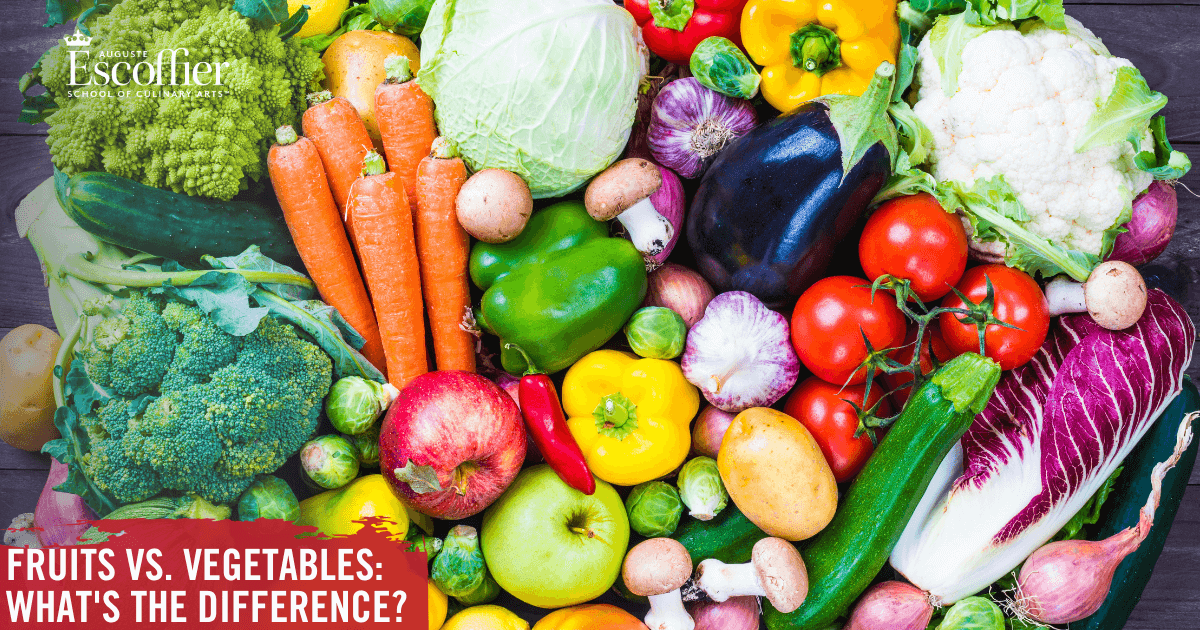
Here’s the real scoop, straight from science. Botanically, a fruit is the mature ovary of a flowering plant—basically, anything that grows from a flower and contains seeds. So, by that strict definition, tomatoes, cucumbers, peppers, pumpkins, and even avocados are all fruits!
That’s right, your salad is a fruit salad. Surprised? You’re not alone—even the U.S. Supreme Court has weighed in on this (they declared the tomato a vegetable for tax purposes, but that’s a story for another day). The botanical rule is simple: if it has seeds, it’s a fruit.
Where Do Vegetables Come In? (It’s All About the Chef)
Now, here’s where things get deliciously messy. The culinary world—the one in your kitchen and on your dinner plate—uses a totally different rule. A vegetable is any edible part of a plant that isn’t the fruit, like roots (carrots), stems (celery), leaves (spinach), or flower buds (broccoli).
So, your tomato? It’s a botanical fruit but a culinary vegetable because we use it in savory dishes. A bell pepper? Same deal. A pumpkin? It’s a fruit (yes, really!) that we roast like a vegetable or blend into a sweet pie. The line isn’t just blurry—it’s practically dancing.
Why does this matter? Because it gives you superpowers at the dinner table! Imagine casually dropping, “I’m serving a fruit-based salsa tonight,” while holding a bowl of tomatoes, onions, and cilantro. Watch the jaws drop.
 Culinary Arts Fruits